Short Courses in Ireland for International Students (2026) Guide

Short courses in Ireland for international students are a smart way to upskill, experience campus life, and test a degree path without a long commitment. For applicants from Pakistan, the main questions are: which programmes allow non‑EU applicants, what visa you need, and how to prove funds, accommodation, and insurance.
Table of Contents
What Counts as a “Short Course”
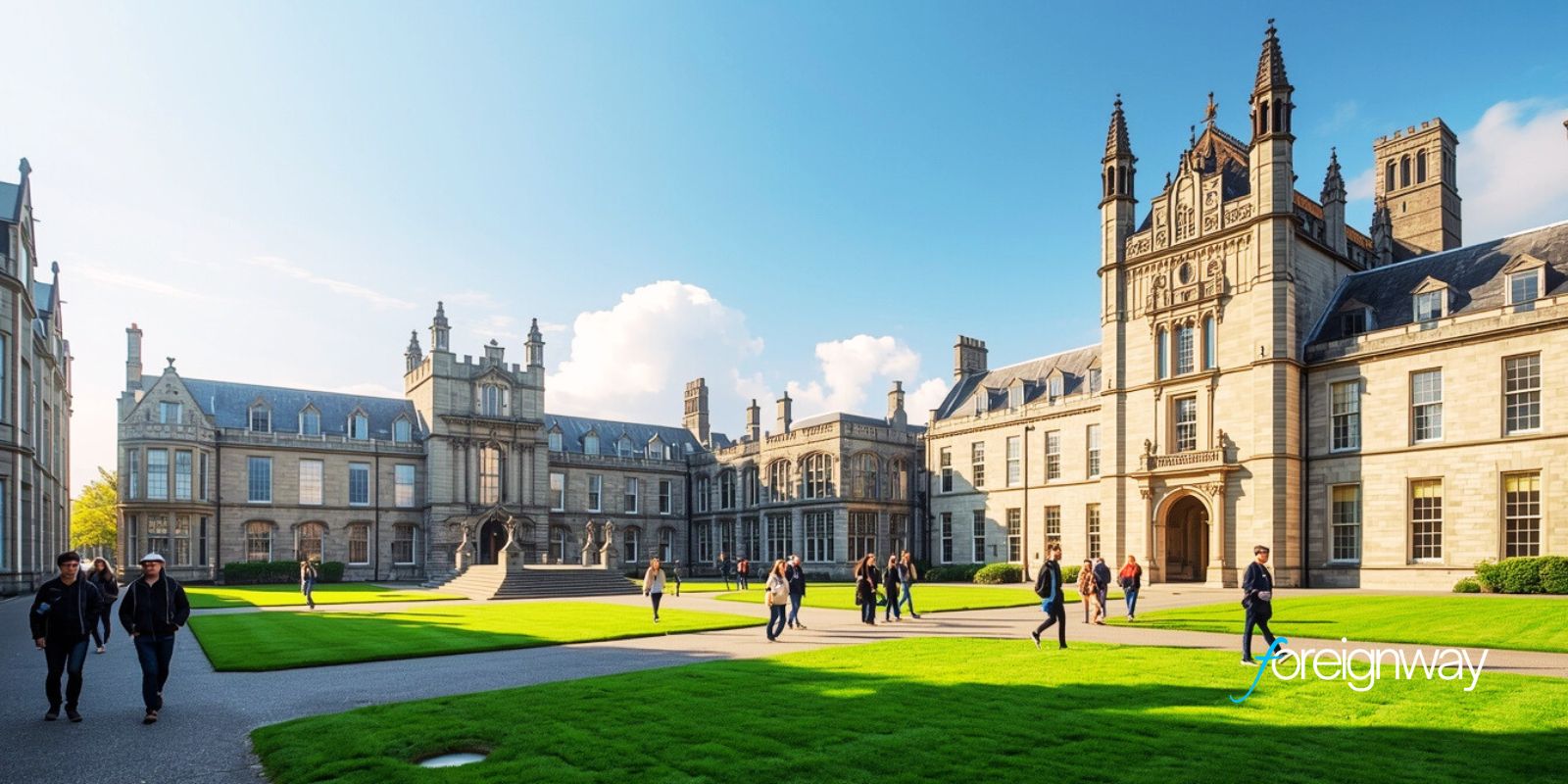
Short courses in Ireland for international students usually run from 2 to 12 weeks. Common formats include:
- English language courses (intensive/IELTS prep) at recognised schools
- University summer schools and discipline tasters (STEM, business, arts)
- Executive education and CPD workshops
- Micro‑credentials (5–30 ECTS) delivered on campus or hybrid
To ensure quality, check for university delivery or QQI/ILEP recognition. Ireland’s official course search: https://www.educationinireland.com
Visa Basics (Pakistan)
If your study is under 90 days, you typically apply for a Short‑Stay C Study visa. There is no work permission on a C visa. For courses beyond 90 days, you apply for a Long‑Stay D Study visa and, after arrival, register for an IRP card; work rights then depend on the programme (usually only ILEP‑listed courses).
Official Visa Guidance:
- Irish Immigration Service Delivery (ISD): https://www.irishimmigration.ie
This is the most important rule for short courses in Ireland for international students—match your visa type to the real course length and the provider’s status.
Where to Study (reliable options)
- Universities/Institutes of Technology: summer schools, micro‑credentials, and discipline tasters (many taught in English).
- Recognised English language schools (MEI network): intensive English, exam prep.
- Executive/CPD centres: short business/healthcare/tech modules (check eligibility; some are resident‑focused).
When comparing short courses in Ireland for international students, prioritise programmes that issue formal transcripts or certificates and provide clear visa letters.
What your Application Needs
- Valid passport, recent photos, and completed online visa form
- Offer/enrolment letter from the Irish provider
- Proof of tuition payment or strong evidence of ability to pay
- Evidence of accommodation (booking/host letter)
- Medical/travel insurance covering the full stay
- Proof of funds (bank statements; steady history—avoid last‑minute deposits)
- Ties to Pakistan (employment/education letters) and travel plan
For long courses, choose an ILEP‑listed programme if you want part‑time work rights. This single detail affects many short courses in Ireland for international students who later extend.
Sample Short Courses in Ireland for International Students (examples)
- University summer schools (2–4 weeks): Business, CS/AI, arts & culture tasters at Trinity College Dublin, UCD, UCC, University of Galway. These often include campus housing options and formal certificates.
- Micro‑credentials (5–10 ECTS): Data analytics, cybersecurity, sustainability, project management at DCU, TU Dublin, UCD, University of Galway. Credits can sometimes stack toward a future degree.
- English language intensives (2–12 weeks): IELTS/academic English at recognised MEI schools in Dublin, Cork, Limerick, and Galway. Check school recognition before you pay (MEI: https://mei.ie).
- Healthcare/Pharma CPD (1–3 weeks): GMP/QMS, clinical research basics at TU Dublin/UCC executive centres; good for regulated careers.
- UX/UI and Product Design bootcamps (2–8 weeks): Short studio courses at universities or accredited centres; verify if a Short‑Stay C study visa is appropriate.
Note: Always verify current dates, fees, and visa letters on provider pages or through Education in Ireland (https://www.educationinireland.com) before applying.
Costs to Plan
- Tuition: language schools ~€180–€300 per week; university short modules vary by ECTS
- Housing: €600–€1,000+ per month (city and season dependent)
- Insurance: typically €100–€300 for short stays
- Visa fee and VAC service charges
Budget early—popular summer intakes and festivals raise accommodation prices.
Step‑by‑Step (from Pakistan)
- Pick the format: language, summer school, micro‑credential, or executive course
- Confirm eligibility for non‑EU nationals; request a visa letter template
- Gather documents; pay tuition/deposit as required
- Submit the visa application with insurance, accommodation, and funds
- Attend biometrics; respond to queries quickly
- On approval, travel and attend your short course; keep proof of attendance
A tight file speeds decisions for short courses in Ireland for international students.
Common Mistakes to Avoid
- Booking a short‑stay visa for a course that actually exceeds 90 days
- Choosing a provider not recognised for non‑EU visas (no formal visa letters)
- Weak funds trail with recent unexplained deposits
- Insurance that doesn’t name Ireland or the full period
- Inconsistent names/dates across passport, forms, and bank records
Fix these on paper, and your application for short courses in Ireland for international students becomes straightforward.
Secondary Options Worth Knowing
- Micro‑credentials Ireland (university‑issued ECTS that can stack into degrees)
- University summer schools in Ireland (credit/non‑credit tasters in June–August)
- English language courses in Ireland (IELTS prep; pathway to degree entry)
If you plan to pursue a degree next year, choose short courses in Ireland for international students that align with your intended programme.
Verified Sources (bookmark)
- Education in Ireland (courses & universities): https://www.educationinireland.com
- Irish Immigration Service Delivery (visas): https://www.irishimmigration.ie
Always check these before paying fees or booking flights.
How Foreignway Helps
Foreignway matches your goals to short courses in Ireland for international students, verifies provider status, and builds a clean visa bundle—offer/visa letter, funds, accommodation, and insurance—so the file passes the first time. We also map extensions, from micro‑credentials to full degrees. Start a focused review: https://foreignway.com
A clear Path to Campus
If you’re weighing short courses in Ireland for international students, share your subject, dates, and budget. We’ll shortlist programmes, confirm visa suitability, and prepare documents that align—no noise, just a practical file that gets you there on time.